
TAKE THIS WITH YOU:
1. WE CAN ALL BE HARMED; WE CAN ALL CAUSE HARM
Sexual assault and abuse affect everyone: personally or systemically.We all carry the capacity for both harm and healing.
2. SEXUAL HARM CROSSES EVERY LINE
It exists across every boundary: time, place, socioeconomic, racial, national, gender, and political lines. And the origin of a lot of harm is a misuse of power, and that isn’t confined to sexual violence but is the basis for a lot of harm in general: harassment, domestic violence, racism, homophobia, and more.It shows up in families, schools, communities, arts, sports, and spiritual/faith spaces.Most harm (about 80%) happens between people who know each other: family members, caretakers, partners, teachers, mentors, friends.

3. HEALING IS NOT OUTSIDE OF REACH
Healing isn’t just “out there.” It’s in how we were taught to be in our bodies, to know our boundaries and to learn and respect others, to communicate, take accountability, and heal.Our well-being, power, and healing are ultimately within us. The safest place we can be is in attunement with our own power.

We all learn about sex and power one way or another, from abstinence-only sex education, porn, to a half ass sex ed class.We have different understandings of communication, consent, and intimacy: shaped by culture, silence, and shame.Discomfort in intimacy is common. Many of us have felt weird, hurt, violated, or confused, and sometimes, we’ve been the one who caused that feeling in someone else.
4. SEX ED LEAVES A LOT OUT
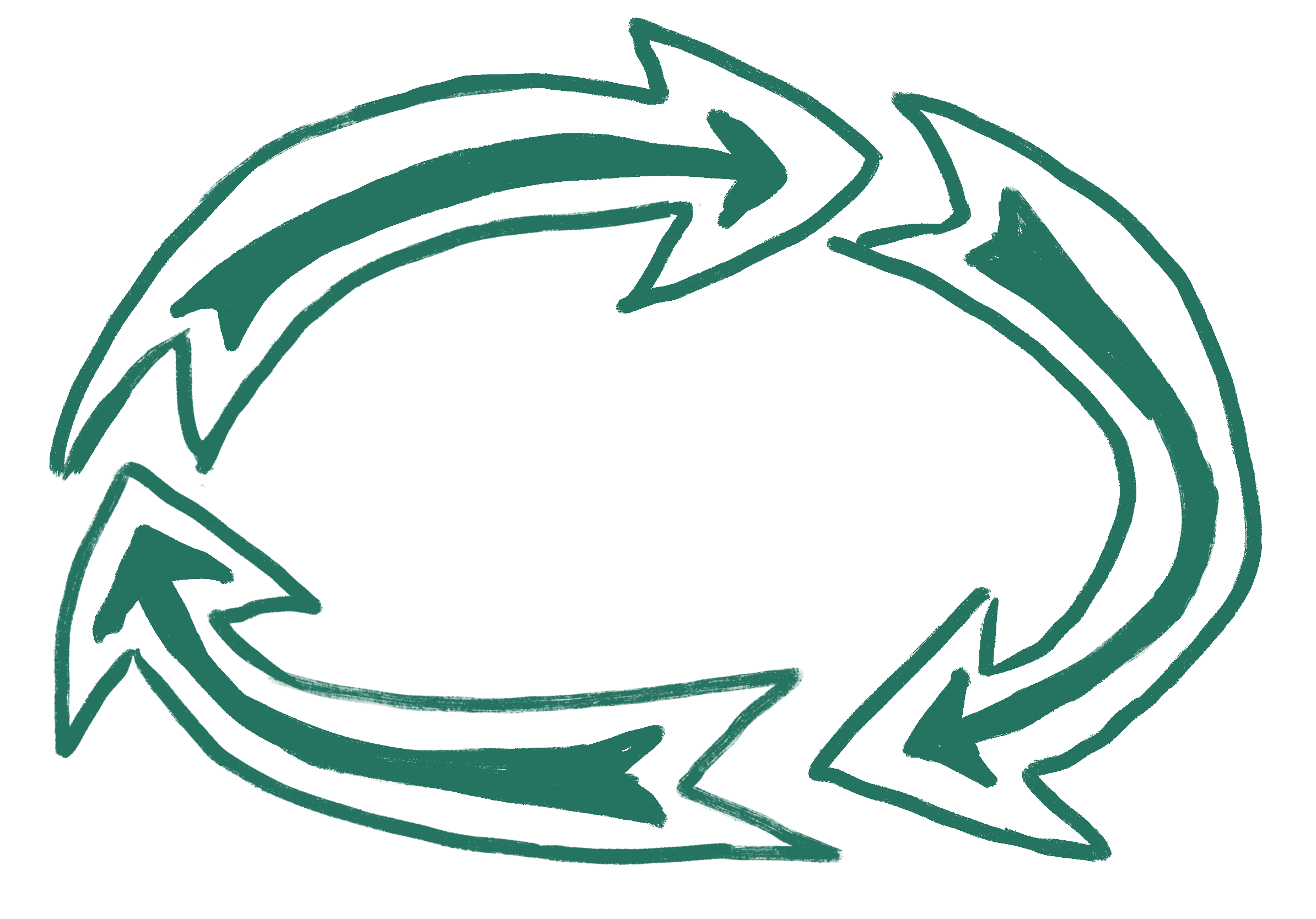
Harm tends to repeat when it isn’t seen or spoken.When we’re harmed, we’re statistically more likely to be harmed again or to harm others.Cycles of harm thrive in environments where boundaries weren’t modeled and violence was normalized.Breaking that cycle begins with awareness and community accountability not shame.
5. HARM IS A CYCLE

6. SEX MYTHS REMAIN RELEVANT
Ideologies can shield you from examining our relationship to the problem.Being a “feminist,” “good person,” or “educated” doesn’t make us incapable of harm and being harmed.
7. WE MUST ADDRESS HARM AT ITS ROOTS
To truly end sexual harm, we must look at its roots: history, power, isolation, silence, and shame.Healing happens when we become resourced enough to look honestly at ourselves, our communities, and our histories.Radical hope blooms from addressing roots of sexual harm.